New Year Skincare Reset: TikTok's 5-Step Routine
Beauty expert Kyndall Ames breaks down the viral new year skincare reset routine taking TikTok by storm. Transform your skin with this science-backed approach.
Quick Answer
TikTok's viral 5-step skincare reset starts with a 7-day simplification period using only cleanser, moisturizer, and SPF, then strategically reintroduces active ingredients like vitamin C one at a time.
⚡ Key Takeaways
- ✨Start with 7 days of just 3 products: gentle cleanser, basic moisturizer, and SPF 30+
- 💧Choose pH-balanced cleansers (5.5-6.5) that don't leave skin feeling tight
- ☀️Reintroduce actives one at a time, waiting 3-4 days between each addition
- 💕Takes 28 days (one skin cell cycle) to see real changes from routine adjustments
As millions of TikTok users embrace fresh starts this new year, the "skincare reset" has become the platform's most talked-about beauty trend. Unlike quick fixes that promise overnight results, a proper skincare reset focuses on rebuilding your routine from the ground up—addressing damage from holiday indulgences, winter weather, and skincare fatigue.
Kyndall Ames, who has helped over 2 million followers achieve their best skin through evidence-based routines, emphasizes that effective resets aren't about using more products—they're about using the right products in the right order. This comprehensive guide breaks down the exact 5-step process that's transforming skin across social media, backed by dermatological science and real results.
## Why Your Skin Needs a Reset Right Now
January skin faces unique challenges that make this the perfect reset timing. Winter's low humidity strips skin of natural moisture, while holiday stress and dietary changes trigger inflammation and breakouts. Additionally, many people experiment with new products during holiday sales, leading to over-exfoliation or product incompatibilities.
A strategic reset allows your skin barrier to repair itself while establishing a sustainable routine. Dermatological studies show that it takes 28 days—one complete skin cell turnover cycle—to see meaningful changes from skincare adjustments.
## Step 1: The 7-Day Simplification Period
Start your reset by stripping back to just three products: a gentle cleanser, a basic moisturizer, and broad-spectrum SPF 30 or higher. This "skincare fasting" period lets your skin barrier recover from potential over-treatment.
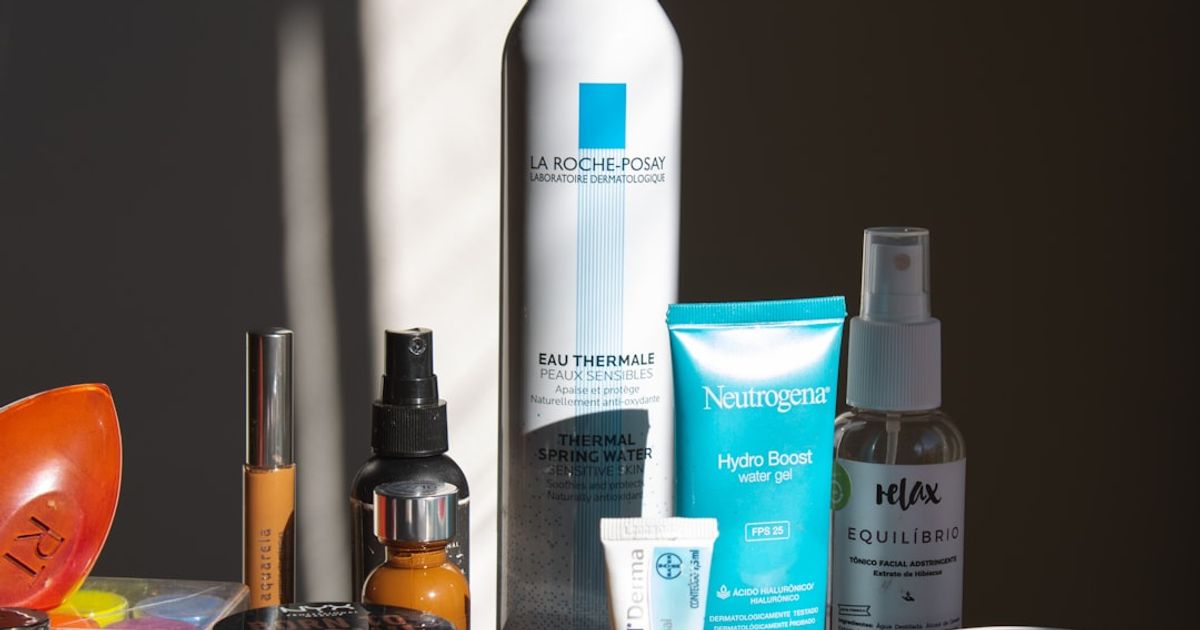
Choose a pH-balanced cleanser (look for pH 5.5-6.5 on the label) that removes impurities without that tight, squeaky feeling. Cetaphil Gentle Skin Cleanser and La Roche-Posay Toleriane Caring Wash are dermatologist-recommended options that work across skin types.
During this week, pay attention to how your skin feels. Reduced redness, less sensitivity, and improved texture indicate your barrier is healing.
## Step 2: Strategic Active Ingredient Reintroduction
After the simplification period, reintroduce active ingredients one at a time, waiting 3-4 days between each addition. This systematic approach helps identify which ingredients your skin loves versus tolerates.
**Week 2: Add Vitamin C (Morning)**
Start with 10% L-ascorbic acid or magnesium ascorbyl phosphate. Apply to clean skin, wait 15 minutes, then follow with moisturizer. Vitamin C provides antioxidant protection and brightens post-holiday dullness.
**Week 3: Introduce Retinol (Evening)**
Begin with 0.25% retinol twice weekly, gradually increasing frequency. The Ordinary Retinol 0.2% in Squalane offers gentle introduction with built-in hydration. Always apply retinol to completely dry skin to minimize irritation.
**Week 4: Add Chemical Exfoliation**
Incorporate either BHA (salicylic acid) for oily, acne-prone skin or AHA (glycolic or lactic acid) for dry skin seeking brightness. Paula's Choice 2% BHA Liquid Exfoliant remains the gold standard for BHA products.
## Step 3: Hydration Layering Technique
Proper hydration involves multiple molecular weights of hydrating ingredients. The TikTok-famous "sandwich method" applies hydrating toner, serum, and moisturizer in thin layers, allowing each to absorb fully.
**Layer 1: Hydrating Toner**
Apply essence or hydrating toner to damp skin. Look for hyaluronic acid, glycerin, or ceramides in the first five ingredients.
**Layer 2: Hydrating Serum**
Use serums with multiple molecular weights of hyaluronic acid. The Inkey List Hyaluronic Acid Serum provides clinical-strength hydration at an accessible price point.
**Layer 3: Occlusive Moisturizer**
Seal everything with a moisturizer containing occlusive ingredients like dimethicone or petrolatum to prevent trans-epidermal water loss.
## Step 4: Weekly Deep Treatment Integration
**Sundays: Clay Mask for Reset**
Use a kaolin or bentonite clay mask to draw out impurities accumulated during the week. Apply for exactly 10 minutes—longer can cause over-drying.
**Wednesdays: Hydrating Sheet Mask**
Mid-week hydration boosts help maintain the moisture balance. Look for masks with niacinamide, which reduces inflammation and regulates oil production.
## Step 5: Tracking and Adjusting Your Progress
Document your reset journey with weekly photos taken in consistent lighting. Track improvements in:
- Skin texture and smoothness
- Hydration levels (skin should feel plump, not tight)
- Breakout frequency and healing time
- Overall radiance and even tone
**Red Flags to Watch For:**
- Increased sensitivity or burning sensations
- New breakouts after week 3 (may indicate ingredient incompatibility)
- Persistent dryness despite increased moisturizing
If you experience these issues, return to the simplification period and reintroduce products more slowly.
## Maintaining Your Reset Results
Once your 4-week reset is complete, maintain results by:
- Sticking to your proven routine for at least 8 weeks before making changes
- Introducing new products only during stable skin periods
- Adjusting active ingredient frequency based on seasonal needs
- Scheduling monthly "check-ins" to assess your routine's effectiveness
Remember, the best skincare routine is one you can maintain consistently. Your reset should establish sustainable habits that support long-term skin health, not create an overwhelming regimen that leads to future skincare fatigue.
💎 Expert Tips
The Squeaky Clean Test
If your cleanser leaves your skin feeling tight and squeaky, it's stripping your barrier. Switch to something gentler with a pH between 5.5-6.5 - your skin should feel clean but comfortable.
💫 Pro tip: Cetaphil and La Roche-Posay Toleriane are my go-to gentle options that work for everyone
Wait Before You Add
I know it's tempting to throw everything back in at once, but patience is key. Give each new active ingredient 3-4 days to show you how your skin reacts before adding the next one.
Why I'm Obsessed with This Reset Method
Honestly, this is exactly how I've been doing resets for years - it just finally went viral! The simplification period is pure magic because it shows you what your skin actually needs versus what you think it needs.
❓ Frequently Asked Questions
How long does the skincare reset take to work?+
Can I use makeup during the reset?+
What if my skin gets worse during simplification?+
📚 References & Sources
This article is supported by research from the following sources:
- Dry skin — Mayo Clinic
Supports the claim about winter's low humidity stripping skin of natural moisture.
Content Summary - How to safely exfoliate at home — American Academy of Dermatology
Supports evidence-based skincare routine approaches and proper product usage.
Content SummaryQuick Answer - The effects of psychological stress on acne — Healthline
Supports the claim about holiday stress triggering inflammation and breakouts.
Content Summary - Vitamin C in dermatology — PubMed
Supports the scientific backing for vitamin C as an active ingredient in skincare.
Quick Answer
Sources are selected for authority and relevance. External links open in new tabs.
📚 Related Content

🛍️ Shop Kyndall’s Favorites
Want product picks that match this topic? Browse Kyndall’s curated favorites.